
FDA, CDC and ASM are Providing Recommendations for Healthcare Facilities That Choose to Implement Duodenoscope Surveillance and Culturing
Webinar March 22, 2018 from 1-2:30 PM (Eastern Time)
The U.S. Food and Drug Administration (FDA), Centers for Disease Control and Prevention (CDC) and American Society for Microbiology (ASM), along with other endoscope culturing experts just announced the availability of voluntary, standardized duodenoscope surveillance sampling and culturing protocols.1
Hospitals and healthcare facilities that utilize duodenoscopes can, in addition to meticulously following manufacturer reprocessing instructions, take these additional steps to further reduce the risk of infection and increase the safety of these medical devices. These protocols are an update to the Interim Duodenoscope Surveillance Protocol released by CDC in March 2015.
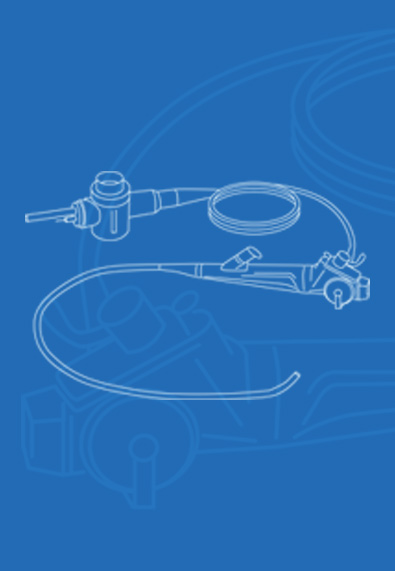
Duodenoscopes are flexible, lighted tubes that are used to treat patients undergoing endoscopic retrograde cholangiopancreatography (ECRP). These procedures often are life-saving and are the least invasive way of draining fluids from pancreatic and biliary ducts blocked by cancerous tumors, gallstones or other conditions. More than 500,000 ERCPs are performed each year in the United States.2
After each procedure, duodenoscopes undergo a multi-step cleaning and high-level disinfection reprocessing protocol so that they can be safely used on the next patient. However, the complex design of duodenoscopes makes it difficult to completely remove all contaminants compared to other types of endoscopes. If not thoroughly cleaned and disinfected, tissue or fluid from one patient can remain in a duodenoscope when it is used on a subsequent patient. This can lead to patient-to-patient infection.3
Microbiological sampling and culturing of duodenoscopes involves sampling duodenoscope channels as well as the distal end of the endoscope and then culturing those samples. The goal is to detect any residual bacterial contamination that may be present on the duodenoscope after reprocessing. Should any residual biofilm be detected, further decontamination, cleaning and re-sampling is required prior to returning the scope for use on a patient.
You and your team members can join the FDA, CDC, ASM and other endoscope culturing experts on March 22, 2018 from 1-2:30 PM (Eastern Time) to learn more about the voluntary duodenoscope surveillance sampling and culturing protocols. These protocols can be leveraged by your facility to help monitor the quality of your reprocessing procedures. They also welcome any questions you may have about these voluntary protocols. No registration is required to participate in this valuable, free and informative webinar.
1. www.fda.gov February 26, 2018
2. Healthcare Purchasing News, February 27, 2018
3. Op. Cit.
Webinar Details:
Date: March 22, 2018
Time: 1:00 – 2:30 PM EST
Please visit the following link for details on how to access the webinar:
https://www.fda.gov/MedicalDevices/NewsEvents/WorkshopsConferences/ucm598194.htm
March 1, 2018
6 view(s) 